
Remember to cast your vote for Group H at the bottom of this post!
Spain – 9/8/4/2
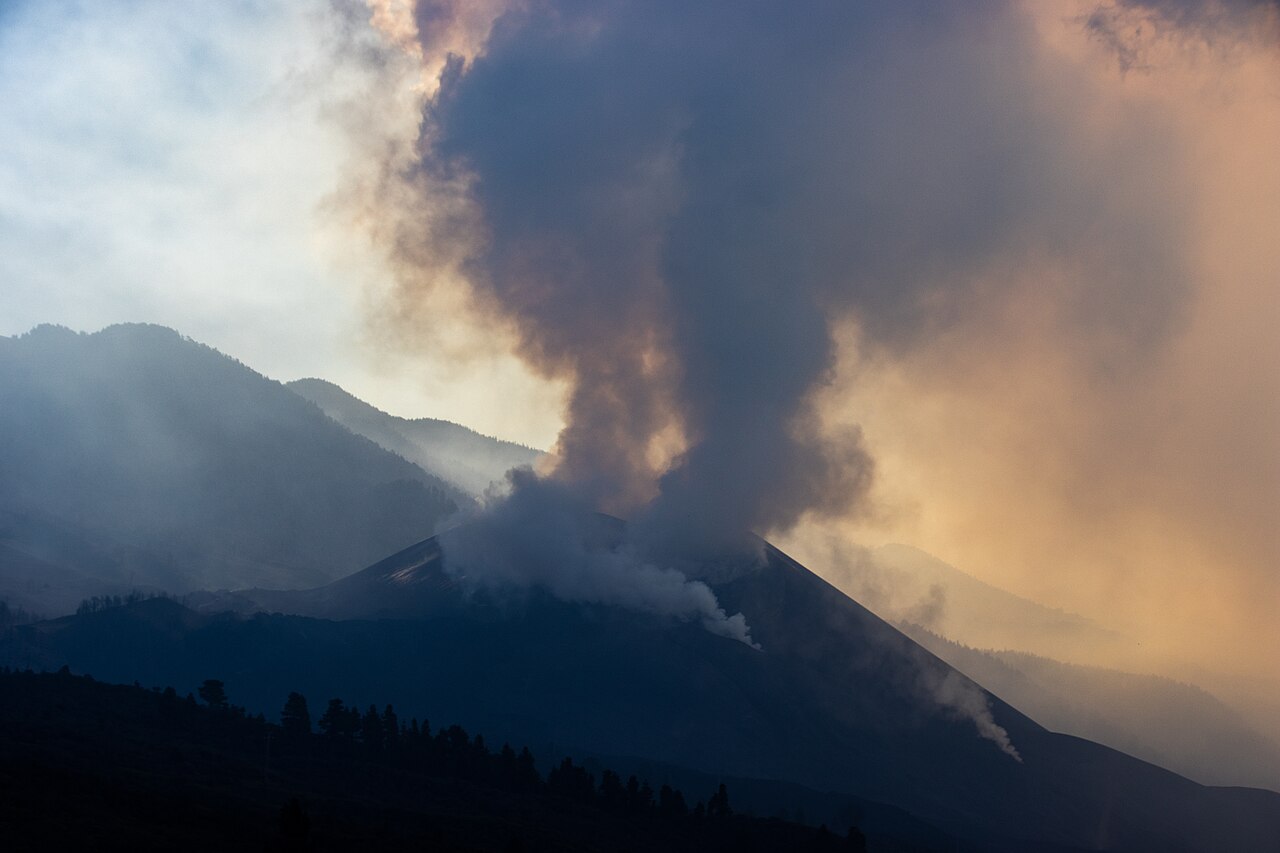
The volcanoes of Spain are dominated by the Canary Islands. This chain of islands sits off the coast of Morocco in the Atlantic and is one of two hotspot chains that dominate the volcanism in this Volcano World Cup group. Many of you remember the dramatic eruptions on La Palma in 2021 that buried parts of towns and reached the sea – a VEI 3 event and La Palma’s first since 1971. Jump back 9 years and we had the submarine eruption at El Hierro as well. If we discount colonial Spain and look at volcanoes on mainland Europe, the country still has one volcanic center that has erupted in the Holocene: the Calatrava Volcanic Field in central Spain. Of course, you have to go back to ~3,600 BCE since this rift-related volcanic cluster last erupted.
Cabo Verde – 5/2/1/1
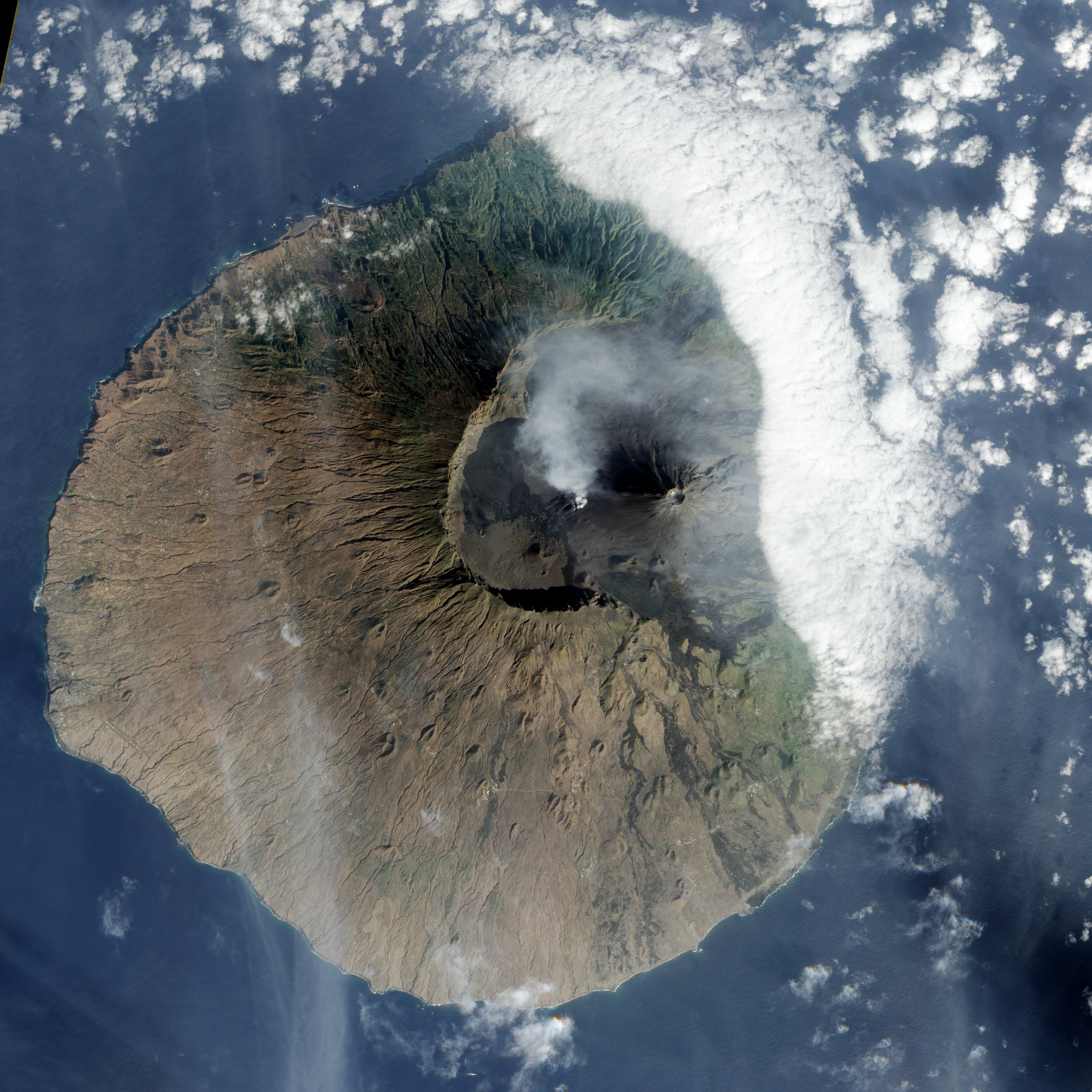
Can Cabo Verde continue its string of upsets into the Volcano World Cup? The island nation off the coast of Mauritania and Senegal. The volcanoes in Cabo Verde aren’t nearly as active as the Canary Islands but the 2015 eruptions at Fogo were dramatic. Lava flows within the large caldera at Fogo buried parts of towns. Brava, just to the west of Fogo, may have erupted in the Holocene and has definitely experienced some earthquakes swarms related to magma moving deep under the volcano, one as recently as 2023.
Saudi Arabia – 11/8/1/0
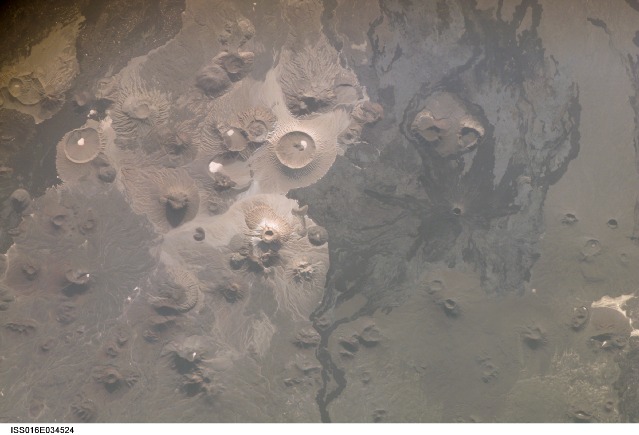
There have been 5 confirmed eruptions in Saudi Arabia over the past ~11,000 years. Five! That’s more than some countries that people more readily associate with volcanism. However, with its proximity to the Red Sea rift, there are multiple basaltic scoria cone fields across Saudi Arabia. The recent recent eruption was in 1810 at Jabal Yar located on the shores of the Red Sea in southwest Saudi Arabia. However, it is the eruption of Harrat Rahat in 1256 that was the largest, sending lava flows within a few kilometers of Madinah.
Uruguay – 0/0/0/0
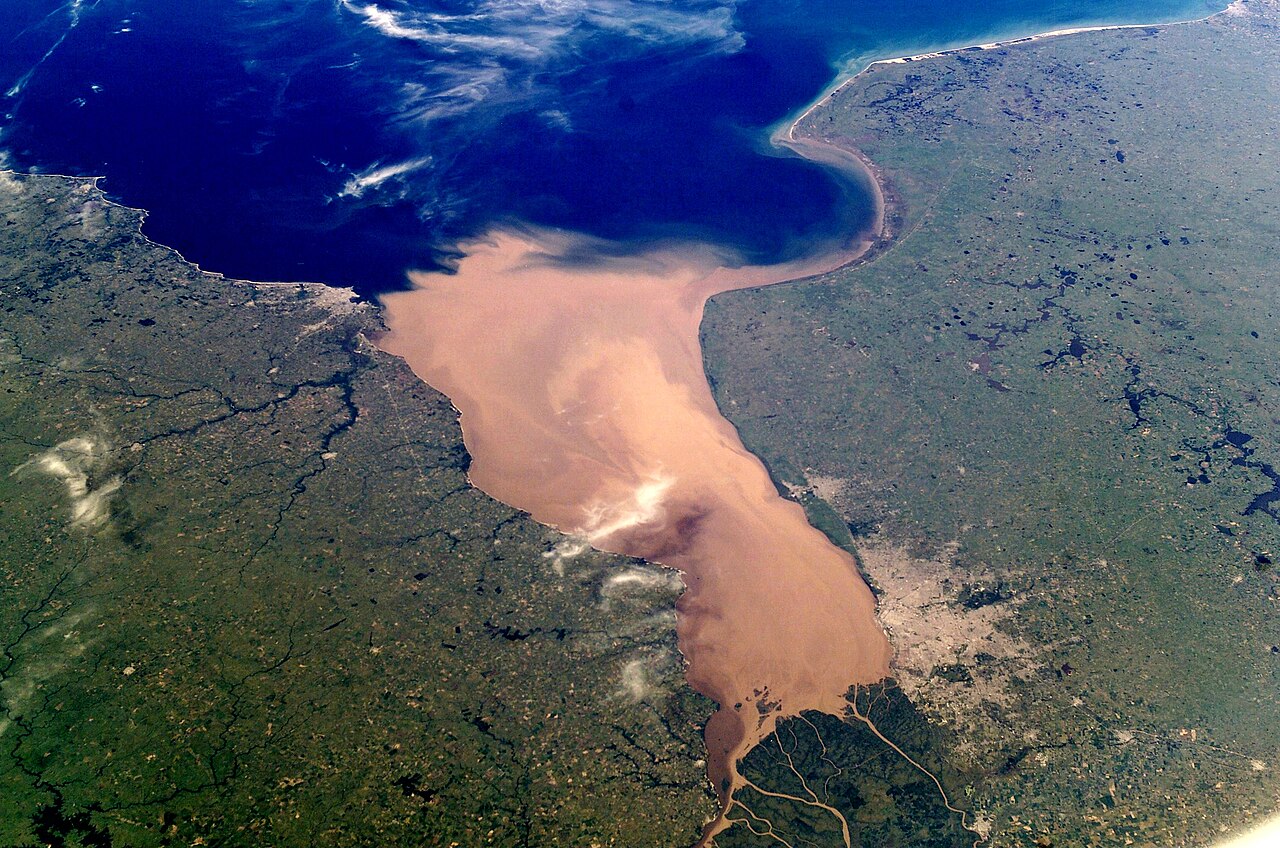
Much like Paraguay, Uruguay is on the wrong side of South America to have volcanoes. The evidence of past volcanism is there, don’t get me wrong. In fact, Uruguay contains volcanic deposits related to the opening of the South Atlantic Ocean during the Cretaceous, but that was ~143 million years ago. Uruguay is also home to some of the Paraná flood basalts that I mentioned with Brazil. Ah, but alas, today Uruguay must content itself as mostly a passive margin.


Leave a comment