
Remember to cast your vote for Group G at the bottom of this post!
Belgium – 0/0/0/0
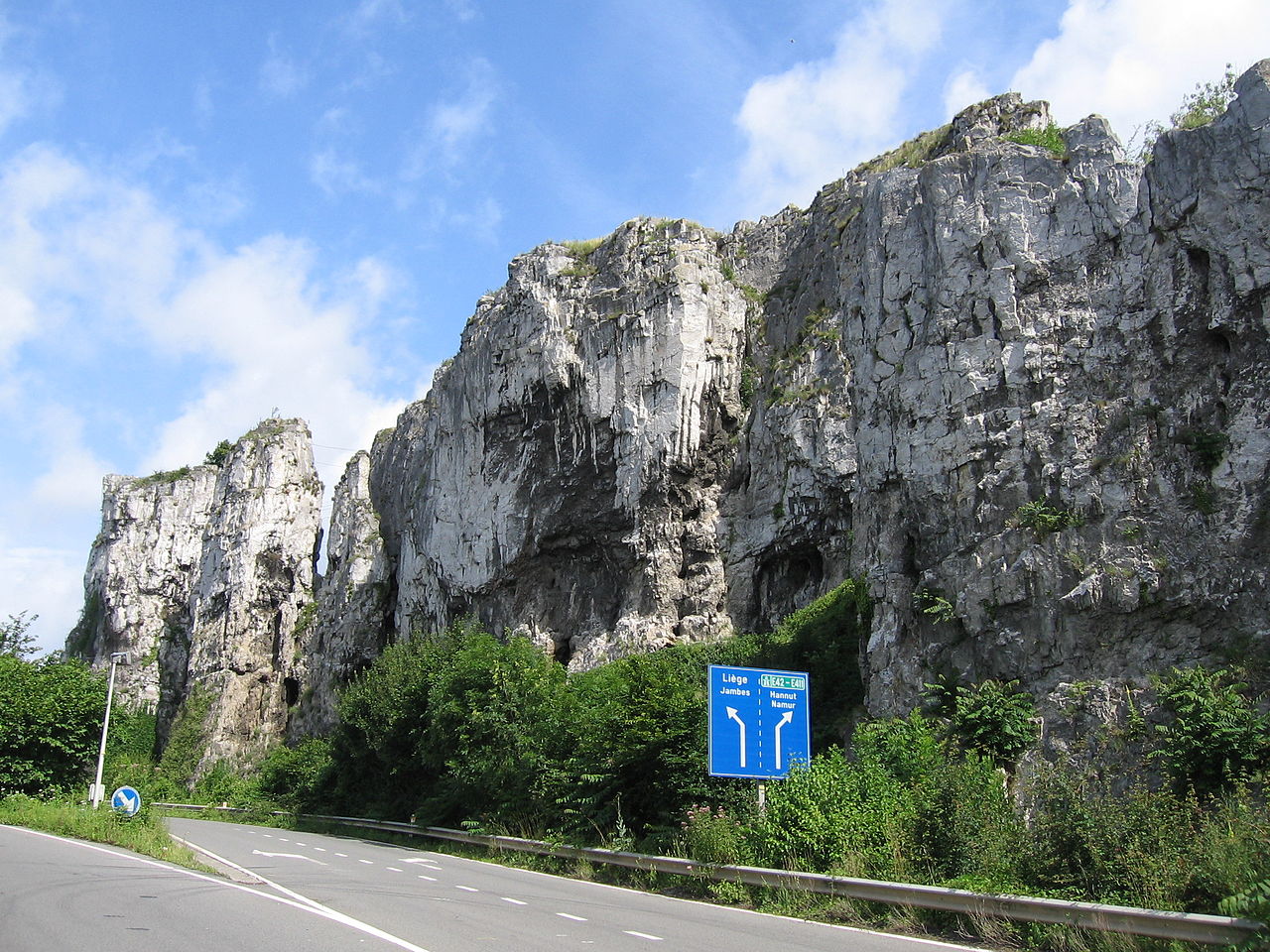
The low countries are not volcanic. They really haven’t been for a long time. How long? Well, the few references I have found for volcanic rocks in Belgium refer to volcanic tuffs (good!) that were likely deposited half a billion years ago (bad!) To put it another way, this volcanic ash may have been falling just as life was figuring out it was cool to have a spine. Belgium does have some younger volcanic ash deposits that likely originated in the West Eifel Volcanic Field of Germany/France only ~60-90,000 years ago, but those aren’t from Belgium either.
Egypt – 0/0/0/0
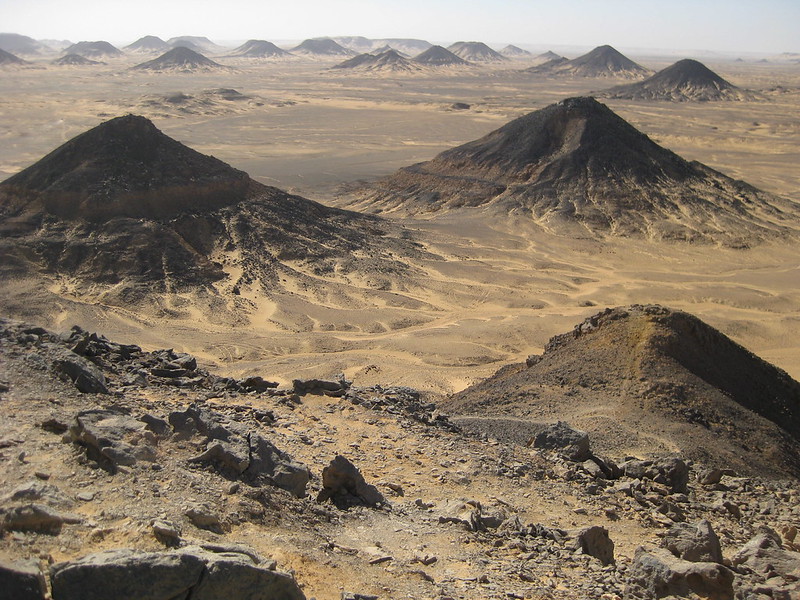
I was honestly surprised that there are no identified Pleistocene to recent volcanoes in Egypt. Sitting right next to the Red Sea rift you would think that just maybe there would be some volcanism in the North African nation but I couldn’t find a whiff of it. Now, Egypt may have felt impacts of volcanoes outside its boundaries as there is speculation that volcanic eruptions in the Mediterranean could have played a big role in the domestic turmoil during a number Egyptian dynasties.
Iran – 13/1/0/0
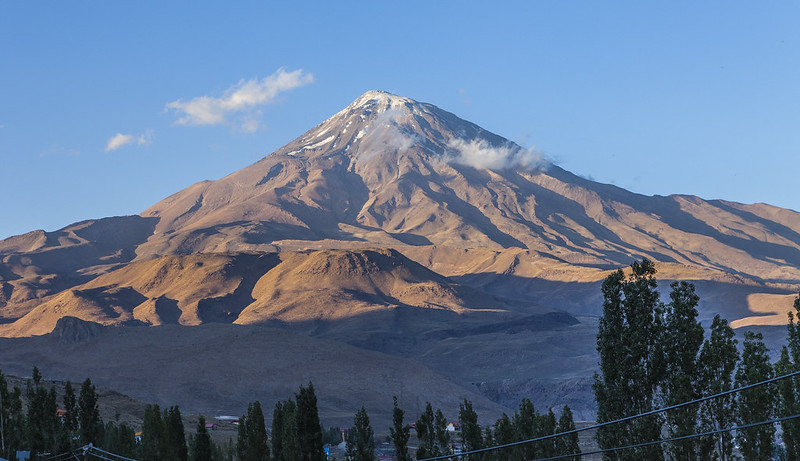
The complex geology of Iran includes a little bit of everything. We know that the country experiences massive and deadly earthquakes but it also hosts multiple kinds of volcanoes. There are a baker’s dozen of known volcanoes that have erupted over the past 2.5 million years. This includes Damavand that may have erupted as recently as 7,000 years ago and Bazman that may have erupted ~40,000 years ago. The latter sports an excellent lava flow on its eastern slopes. Taftan in southeast Iran even has some controversial evidence that it could have erupted in 1902 and 1993 (which may have been molten sulfur, not lava)! Beyond these, Iran is also home to numerous mud volcanoes found near the Persian Gulf.
New Zealand – 69/23/9/8
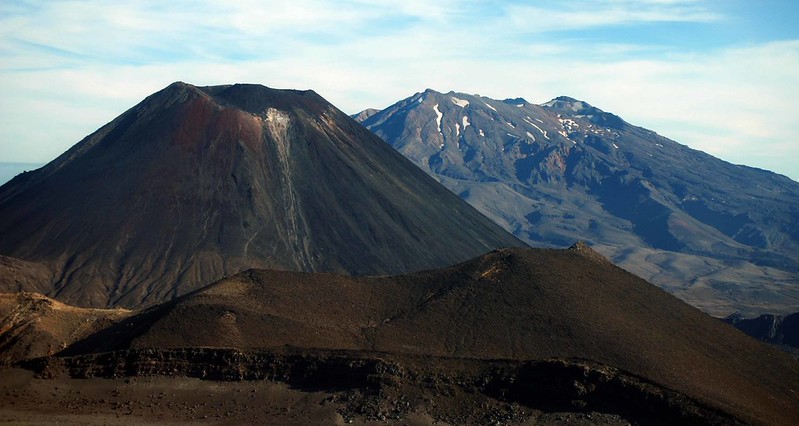
As Bart Simpson might says “the volcanoes of New Zealand are numerous and varied.” The North Island of this island nation is home to some of the largest eruptions of the past one million years. Many people are familiar with the most active volcanoes like Whakaari (White Island) and Ruapehu, but Tongariro and its cone Ngāuruhoe have all been active in the past century. Then there are the calderas like Taupō and Okataina. The ~233 CE eruption of Taupō may have been the most powerful of the Holocene while the Oruanui blast from the same caldera disgorged over 1000 cubic kilometers of volcanic debris roughly 26,500 years ago. Then there is the oddball of Taranaki Maunga on the western side of the island. It is hard to keep up!


Leave a comment